Beautiful Plants For Your Interior
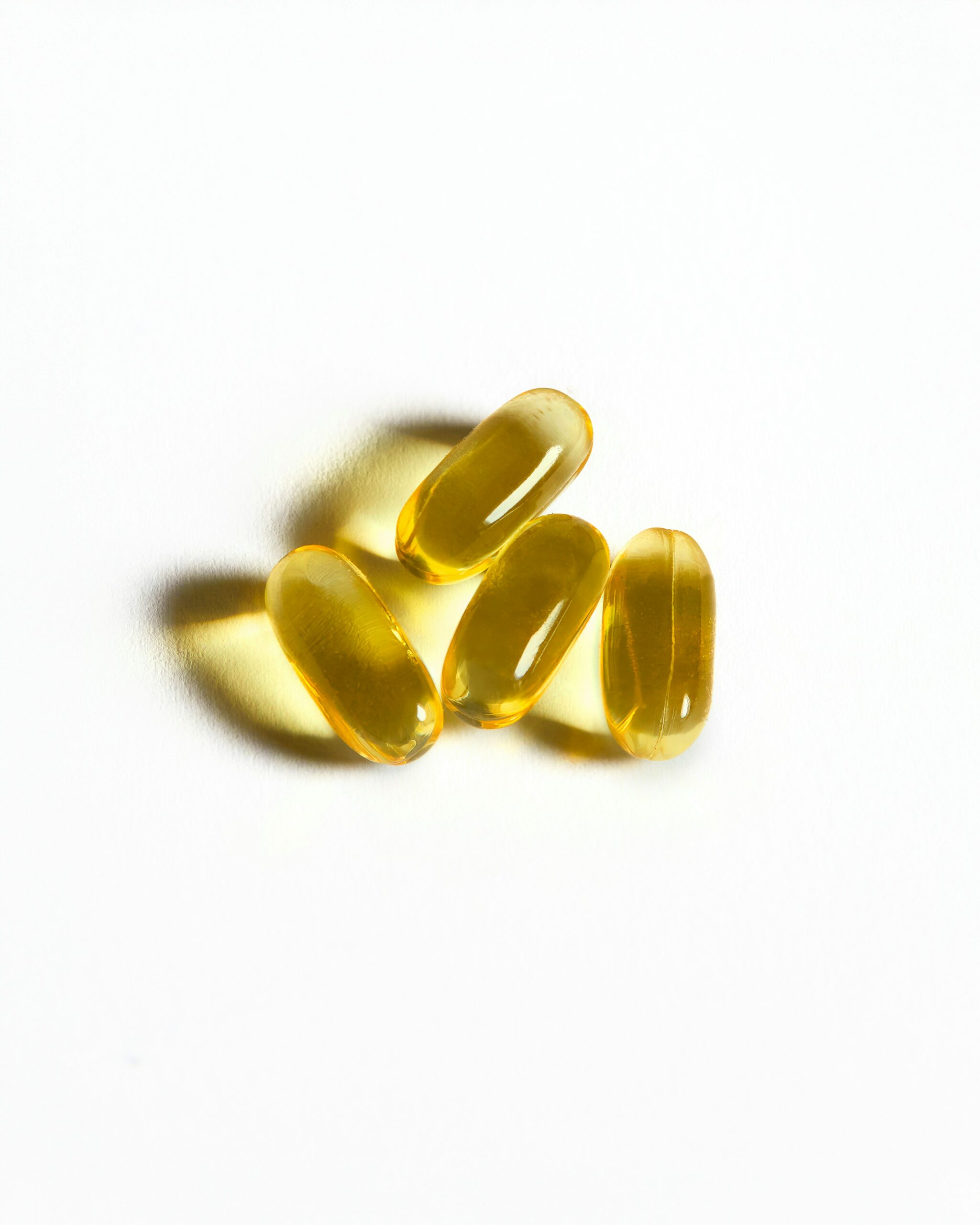
Collagen has become one of the most popular dietary supplements in recent years. Whether it’s glowing skin, stronger joints, or firmer connective tissue—the promised effects sound tempting. But what’s behind it all? And how beneficial is taking collagen powder really?
Collagen is the most common protein in our body and forms the structure of skin, bones, tendons, ligaments, cartilage, and even blood vessels. From the age of 25, natural collagen production decreases slightly each year—the skin loses elasticity, joints become more vulnerable, and connective tissue weakens.
Modern collagen powders usually contain hydrolyzed collagen, which means that the proteins are broken down into small peptides that are easier for the body to absorb. Studies suggest that collagen peptides:
improve skin moisture
reduce fine lines
strengthen connective tissue
support joint health
promote recovery after exercise
However, the effects depend on the correct dosage (usually 5–10 g daily) and the duration of use. Many brands recommend using it for at least 8–12 weeks to notice the first changes.
There are different types of collagen that are important for different areas of the body:
Type I: skin, hair, nails, bones
Type II: joints, cartilage
Type III: organs, vessels
Most powders contain type I and III (e.g., from bovine collagen) or type II (usually from chicken collagen).
Since collagen is an animal protein, there is no such thing as true vegan collagen. Instead, vegan products contain “collagen boosters” made from amino acids, vitamins, and plant extracts that are supposed to support the body’s own collagen production, e.g.:
Vitamin C
Zinc
Bamboo extract (silicon)
L-lysine and glycine
Antioxidants such as OPC from grape seeds
These do not act like collagen itself, but can support the building process.
Collagen can be helpful – especially if you:
Want to reduce wrinkles
Have joint problems
Do a lot of sports
Want to improve weak connective tissue or cellulite
Need to heal injuries
However, it is no substitute for a balanced diet. The body forms collagen from proteins (amino acids) and micronutrients – therefore, a protein-rich diet with sufficient vitamin C is essential.
Many people combine collagen with additional supplements to take advantage of synergistic effects:
Hyaluronic acid – for skin hydration and joint lubrication
Vitamin C – necessary for collagen formation
Magnesium – important for muscle and regeneration processes
Omega-3 fatty acids – anti-inflammatory for joints and skin
Zinc – strengthens skin, hair, and the immune system
This combination is often used in beauty or joint formulas.
Collagen powder can be a useful supplement – for the skin and connective tissue as well as for the joints. However, if you want to benefit in the long term, you should pay attention to quality, sufficient dosage, and consistent intake. In combination with a protein-rich diet and important micronutrients, it is a powerful ally for healthy aging, athletic performance, and radiant skin.